
This is my delicious hibiscus green tea recipe for perimenopause, from a hormone health certified chef in my 40s.
The reality is I love love love coffee. As a mom and chef in whos drinking and eating for perimenopause, I have had to cut back. Too much coffee for me has the following effects:
- Anxiety inducing
- Mood instability
- Bloating and painful digestive system
- Joint inflammation
- Sleep hygiene
It also messes with my cortisol, which impacts my weight, skin and my energy.
All of this to say, I've found that brewing homemade teas has been a fantastic alternative to non-stop coffee.
My favorite DIY tea ingredients for perimenopause include hibiscus, butterfly pea, chamomile and lemon verbena. I also include green tea leaves but I don't love the taste so I prefer to combine them with another tastier leaf or petal.
The combination of hibiscus and green tea is my go-to tea for perimenopause and I hope you'll try it.
Why This Tea Works for Perimenopause
While studying hormone health at IIN in 2025, I learned about the benefits of making certain lifestyle and dietary adjustments to work with, instead of against the hormonal changes in my body.
Here's why I include this hibiscus green tea in my daily routine:
- Support for my metabolism: Insulin sensitivity was one of my key issues before I made these little changes to my diet. Green tea supports metabolic function and the polyphenol content in hibiscus tea is good for balancing after-meal sugar responses.
- Inflammation: I realised the joint paint and weight gain was linked to inflammation. Both green tea and hibiscus are wonderful anti-inflammation ingredients for perimenopause.
- "Calmer" energy: The L-theanine in green tea gives me a noticeable kick/boost of energy, without the jitters from coffee.
- Heart health: Both teas make for polyphenol-rich drink, which I focus on for my heart vein well-being.
Jump to:
How I Enjoy and Serve My Hibiscus Green Tea Recipe
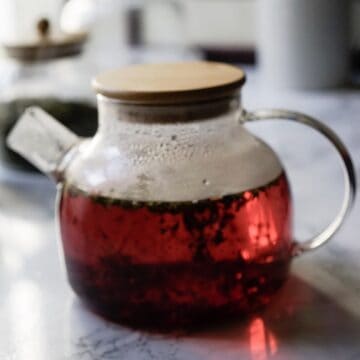
I find it a struggle not to start my day with coffee but, I know that tea is the better option for me first thing in the morning. What I do most days (especially during the week) is start my day with a full teapot of this green hibiscus tea. It is super hydrating and gives me a gentle buzz from the green tea leaves.
Hibiscus green tea is also a really good post meal tea for me to sip on as the hibiscus petal tea helps reduce my blood sugar spike after lunch or dinner.
Certain teas give me heartburn, but I find this green hibiscus tea doesn't.
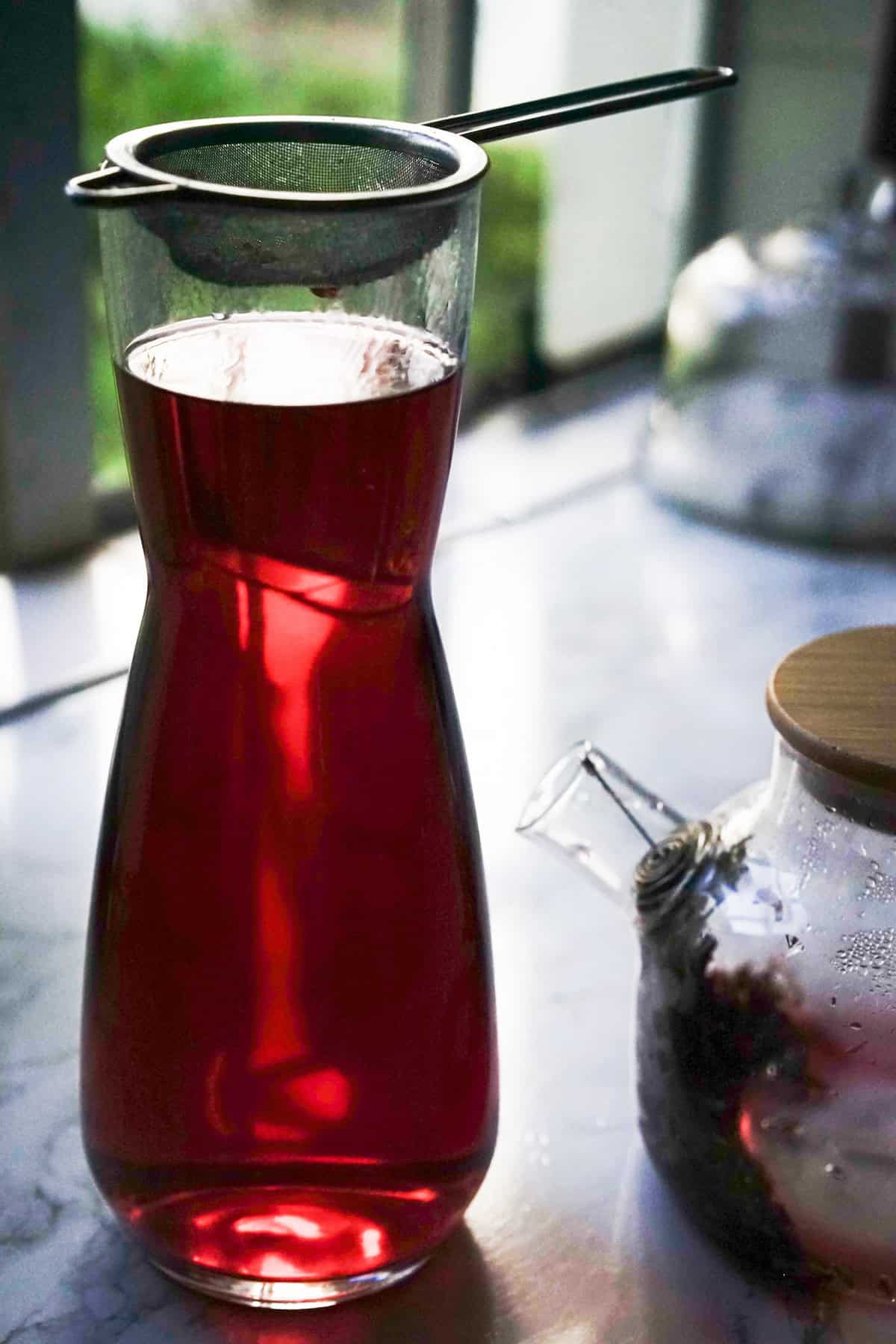
What I love about this green tea with hibiscus is that it's delicious hot or cold. In the summertime, I make a large jug and keep it in the refrigerator for about 3 days. It doesn't last long, though.
Ingredients
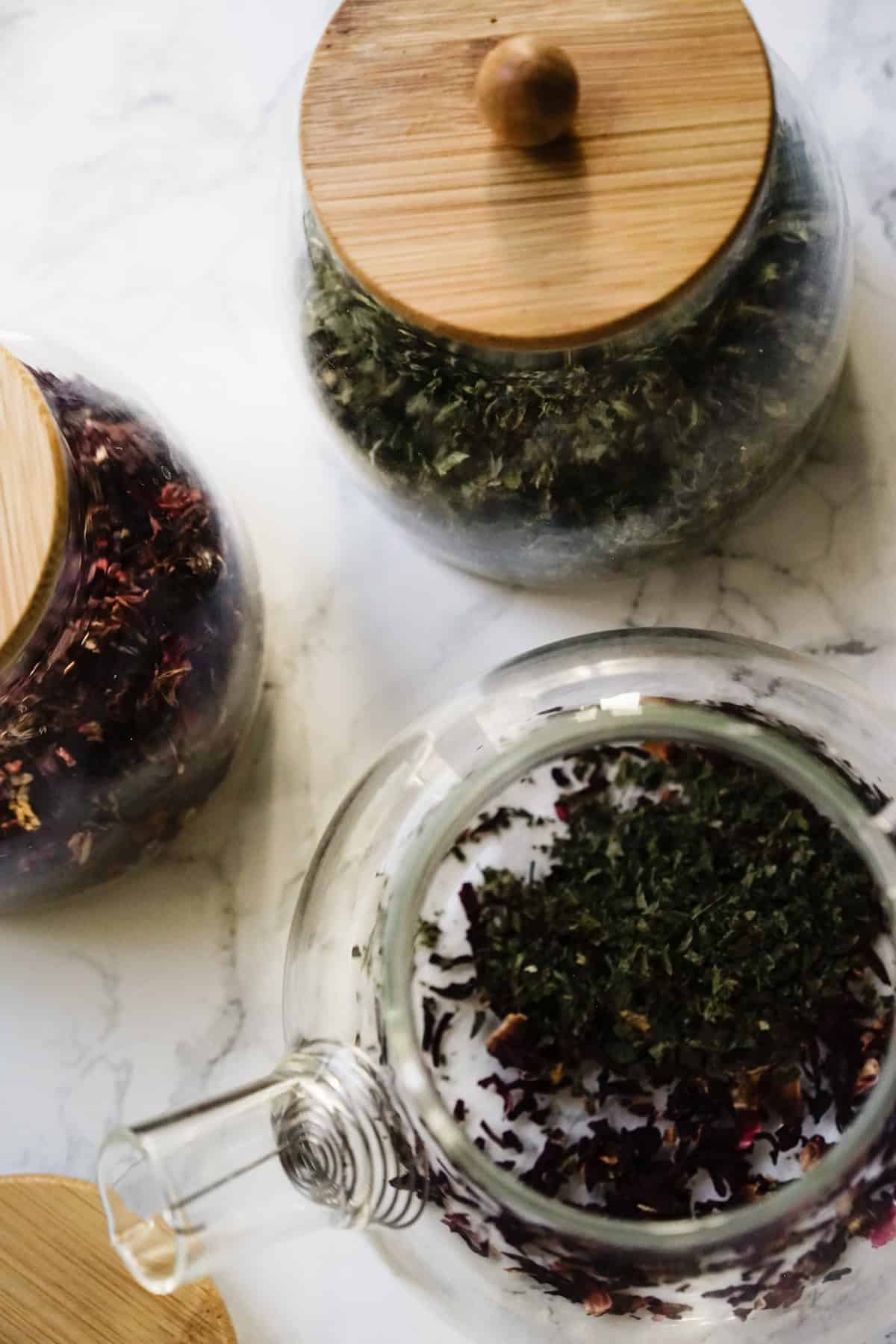
- Hibiscus: I use whole hibiscus petals which are dried for this hibiscus green tea. I store them in a glass container in my pantry. Last year I went on a work trip to Turkey with my husband and picked up a bag of dried hibiscus flowers that are SO flavorful. I bought such a large bag and am still working through it.
- Green tea: I switch between brands and am no expert on green tea, let me tell you but I am lucky in that a friend of mine brought me some good quality green tea from Japan and I have been enjoying that. It's best kept in the refrigerator.
See recipe card for quantities.
Instructions
Step 1: Boil water: Boil filtered water in a kettle and leave to cool for 3 minutes or so.
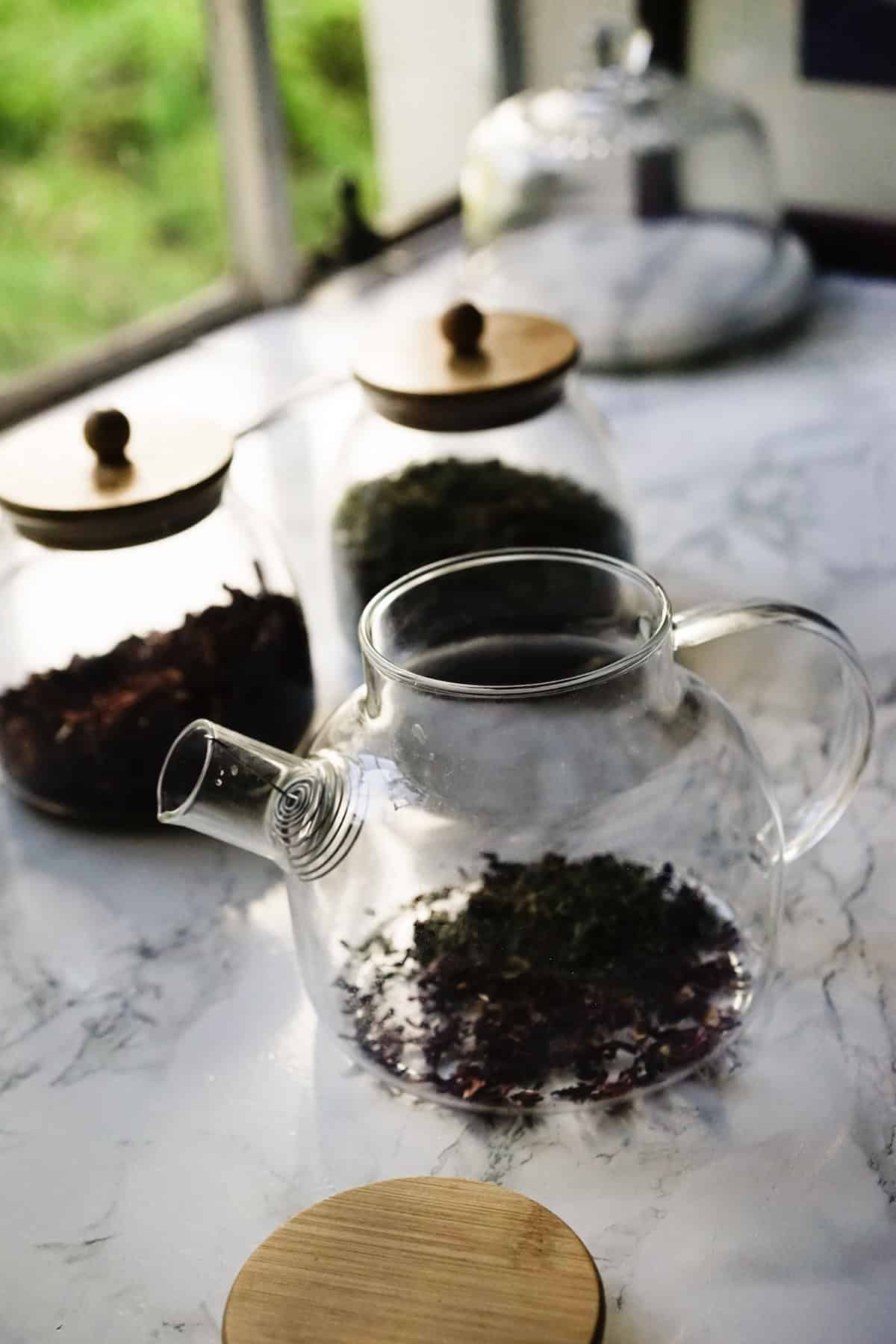
Step 2: Add the tea: To your favorite teapot, add the hibiscus petals and the green tea.
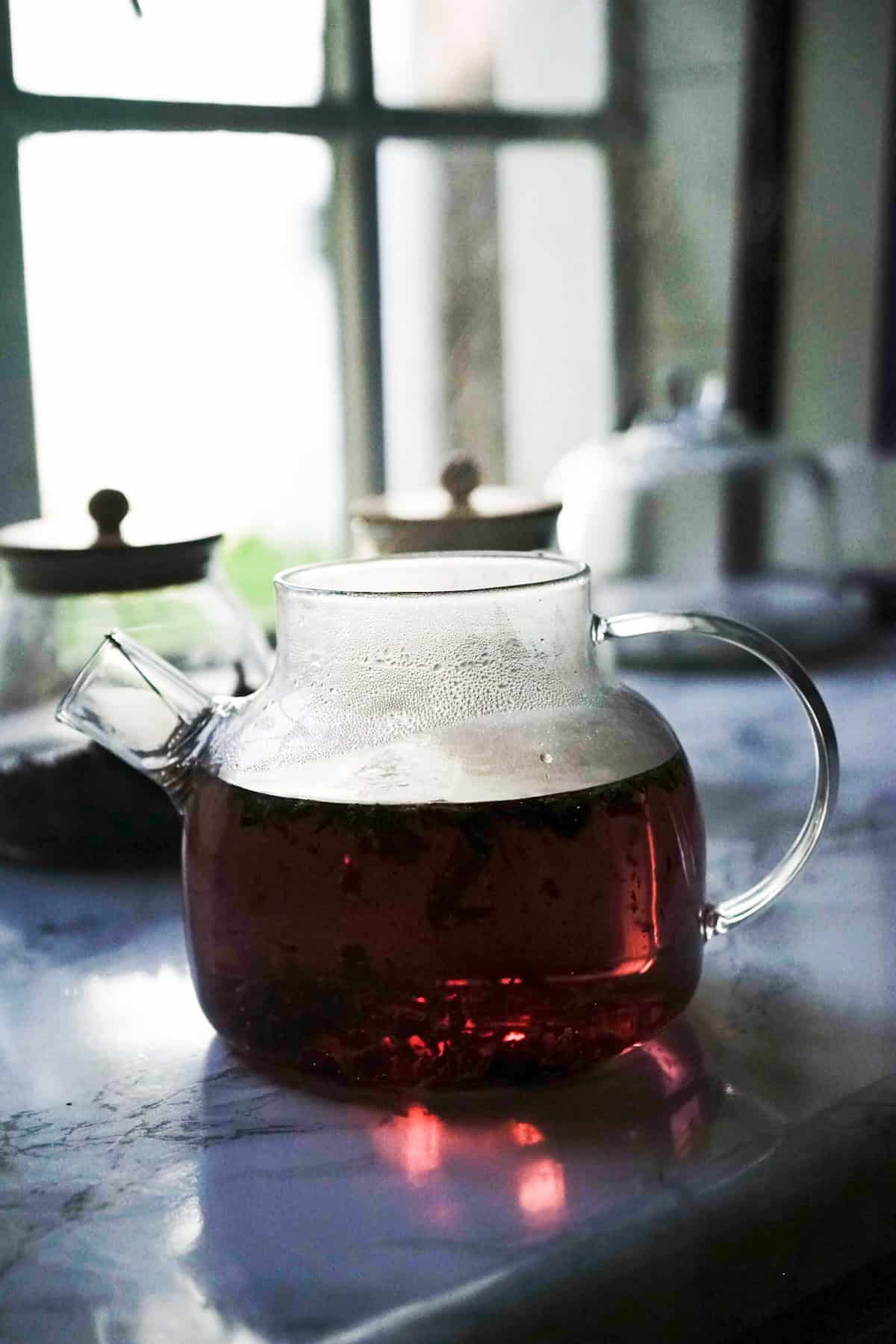
Step 3: Steep: Top it with the filtered cold water and then pour in the boiled water and steep the tea for about 3 minutes before straining and sipping your tea for perimenopause.
Substitutions and Variations
- Green tea: If you don't like green tea or need an alternative, try 1 teaspoon of lemon verbena instead of green tea leaves.
- Caffeine-free: For a caffeine free version, swap the green tea with lemon vebena and butterfly pea. I love butterfly pea tea for their antioxidant content. I find its a really calming, hormone-friendly ingredient for me that supports my overall wellness during perimenopause.
- Night time tea: At night, I leave out the green tea and add a few chamomile flowers for a more "sleepy" tea.
- More flavor: This tea is quite mild in taste. If you want to add flavor, include a slice of fresh ginger, a few fresh mint leaves and a squeeze of lemon juice.
My Tips for Making Tea For Perimenopause with Whole Tea Petals and Leaves
Here are a couple of things I do to get the very best out of my hibiscus green tea ingredients:
- Keep your tea petals, flowers and leaves in a dark, dry place. I like to store mine in glass.
- After adding tea ingredients, top them with cold water (just to cover them) before adding boiled water to the teapot.
- When I'm using top quality green tea leaves, I don't steep them longer than 3 minutes. For hibiscus flowers, I brew them for 5 minutes. So the green tea leaves go in about 3 minutes after the flowers.
Pairing
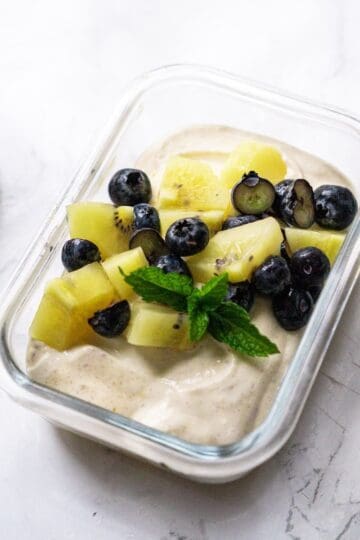
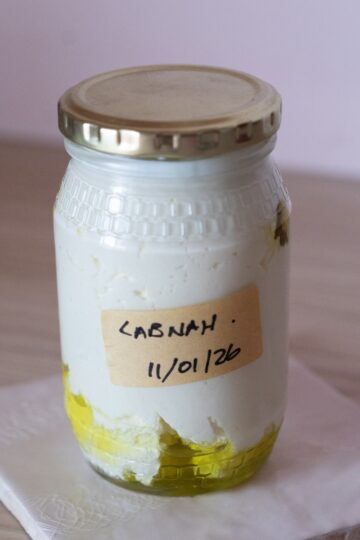
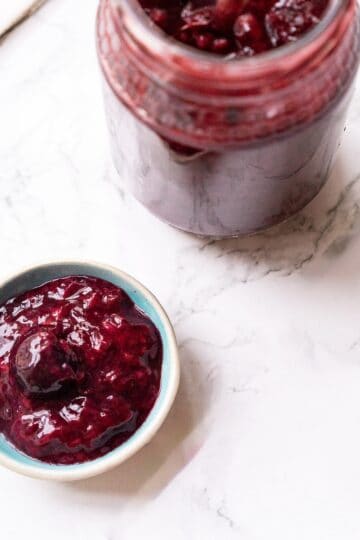
These are my favorite dishes to serve with hibiscus green tea in the morning:



Hibiscus Green Tea Recipe (Bright Pink)
Ingredients
- 1 teaspoon dried hibiscus flowers
- 1 teaspoon green tea loose leaf or 1 bag
- 2 cups water
Instructions
- Heat the water: Bring the water just below boiling (about 75–80°C / not aggressively boiling).
- Add the hibiscus: To a teapot and top with a little bit of cold water.
- Pour over boiled water: Next, add the hot/boiled water and steep for 5 minutes. This extracts colour and tartness.
- Add the green tea: Add the green tea and steep for 1–2 minutes only to avoid bitterness.
- Strain and serve: Strain and drink warm, or cool and chill for an iced version.
Comments
No Comments