
A chef's personal experience: I’m Casey Bumpsteed, a Cordon Bleu–trained chef, recipe developer and food photographer in my 40s, with education in hormone health.
This article shares my personal experience with eating and cooking during perimenopause, from a food-first, lifestyle-focused point of view.
I’m not a medical practitioner, and this content is provided for informational purposes only. I strongly encourage anyone navigating perimenopause, menopause, PCOS or other health concerns to consult with a qualified healthcare professional before making significant diet or lifestyle changes.You can read my full disclaimer and credentials here.
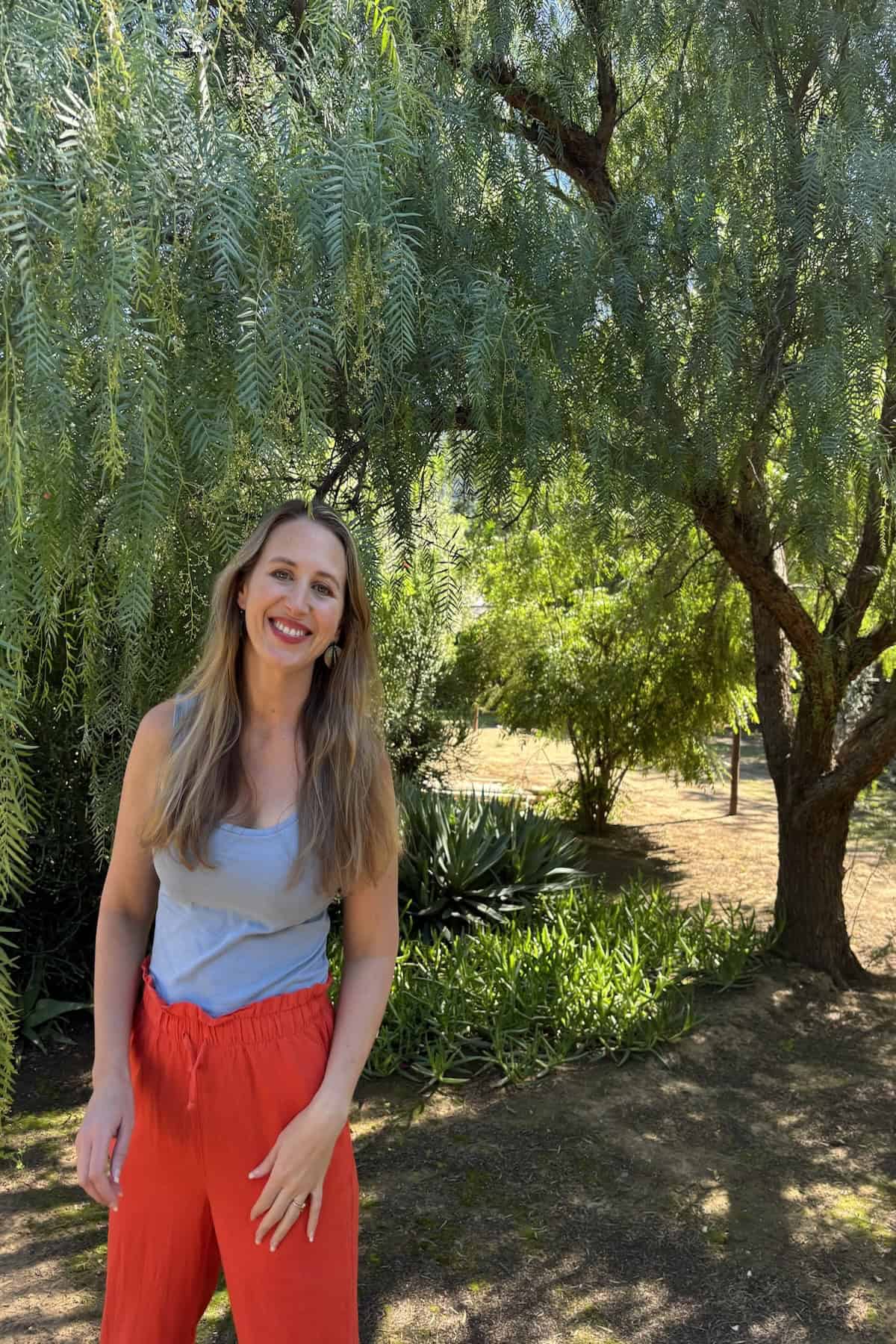
From about 37, I began noticing a growing collection of changes that felt unfamiliar. Sleep became more fragmented, my energy dipped in the afternoons. I felt more mentally and emotionally sensitive around my cycle than in my younger years.
I also noticed shifts in digestion, mental focus and how my body responded to stress. Small things that, taken together, made it clear that something was changing. Some days it showed up as bloating or stiffness, other days as low energy or a foggy head.
What stood out most was not any single symptom, but the overall sense that my body was asking for a different kind of care than it had in the past.
Through conversations with other women, further learning with IIN, and my own experience, I’ve understood how varied the perimenopause transition and phase can be. While there are common themes, every woman’s experience is deeply individual.
In learning more about perimenopause, I’ve also come across many other changes that women commonly talk about during this stage of life. Even if I haven’t personally experienced all of them.
These can include shifts in skin, energy, temperature regulation, joint comfort and libido, among others.
More About My Journey
It can feel overwhelming seeing long lists of potential changes, but what I’ve learned is that no two bodies experience this transition in the same way. Some women notice only a few subtle shifts, while others experience a broader mix that changes over time.
The encouraging bit is that diet and lifestyle can play a supportive role for many women during this phase. That said, I strongly believe in bio-individuality: what feels supportive for one body may not be right for another.
This article reflects my personal experience and education as a chef with a certificate in hormone health. It’s intended to share perspective, not provide medical advice.
If you’re considering significant dietary or lifestyle changes, working with a qualified healthcare professional is always the best place to start.

How I Approached Eating For Perimenopause
Over time, I began paying closer attention to how different foods and habits made me feel and made small, intentional changes in my kitchen that felt more supportive for my body.
These shifts were guided by my own experience, education and conversations with healthcare professionals: not a one-size-fits-all approach.
One area I became more mindful of was nutrient density, especially prioritizing foods rich in vitamin D, omega-3 fats, calcium and B vitamins.
Rather than focusing on numbers or strict rules, I aim to regularly include foods that naturally contain these nutrients as part of balanced meals.
I also learned that how often and how much matters just as much as what I eat. For example, instead of cutting foods out entirely, I’m simply more selective and intentional. I choose higher-quality options, eating them less frequently and paying attention to how my body responds.
Why Protein for Midlife?
Protein has become an important anchor in my meals, particularly at breakfast. Starting the day with a protein-forward meal helps me feel more energized and steady, and it’s one of the reasons you’ll find so many protein-rich breakfast recipes for perimenopause here and protein meal prep recipes for lunch.
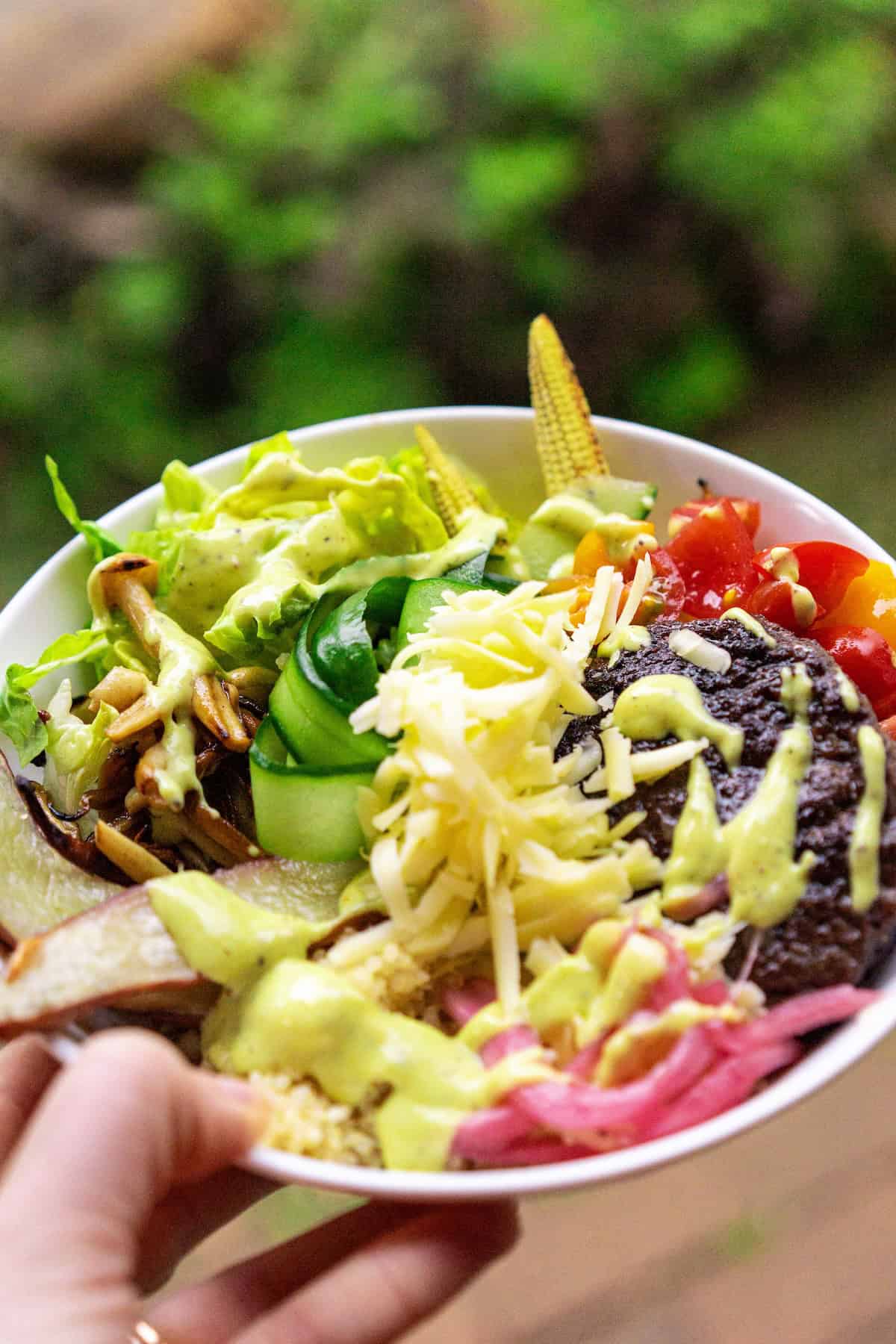
Overall, I focus on meals built around whole foods, fiber and ingredients that feel supportive and grounding for my body. These choices aren’t about perfection or restriction. They’re about creating meals that help me feel more balanced, nourished, and resilient during this stage of life.
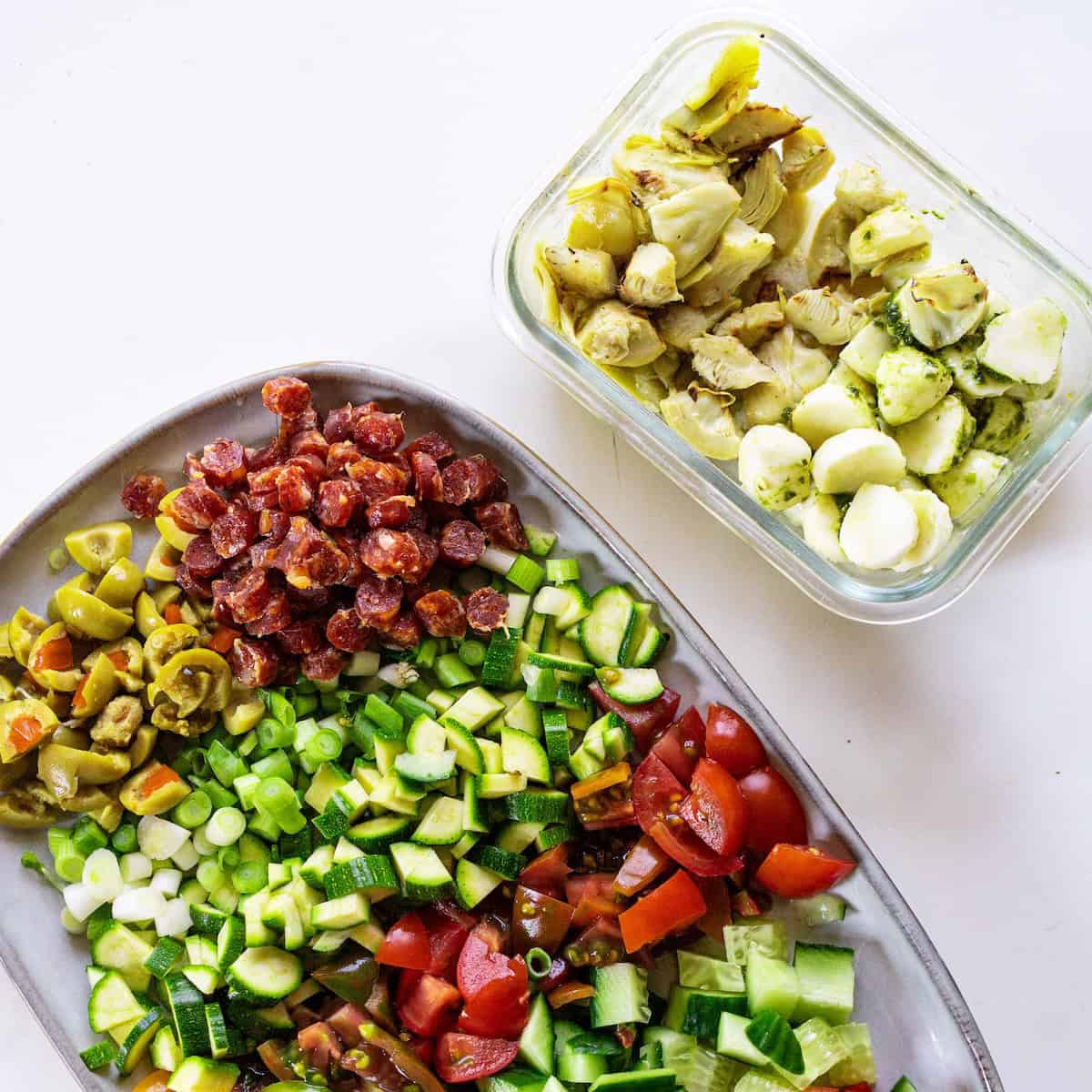
During my hormone health studies, I became more aware of how blood sugar balance and stress can intersect during perimenopause. This wasn’t something I tried to “fix,” but rather something I started paying attention to; especially how certain meals and stressful periods made me feel.
Stress, in particular, felt amplified during this phase of life and I noticed that my energy and mood were closely tied to how well I was eating, resting and managing my day-to-day load. For me, this reinforced the importance of steady meals, regular movement, and building routines that felt calming rather than restrictive
This is my personal story. Please consult a healthcare provider for individual guidance. Here is my full disclaimer.